
Enlargements and reductions
Changing scale is not merely multiplying dimensions. Structure, detail, viewing distance, and visual weight all change.
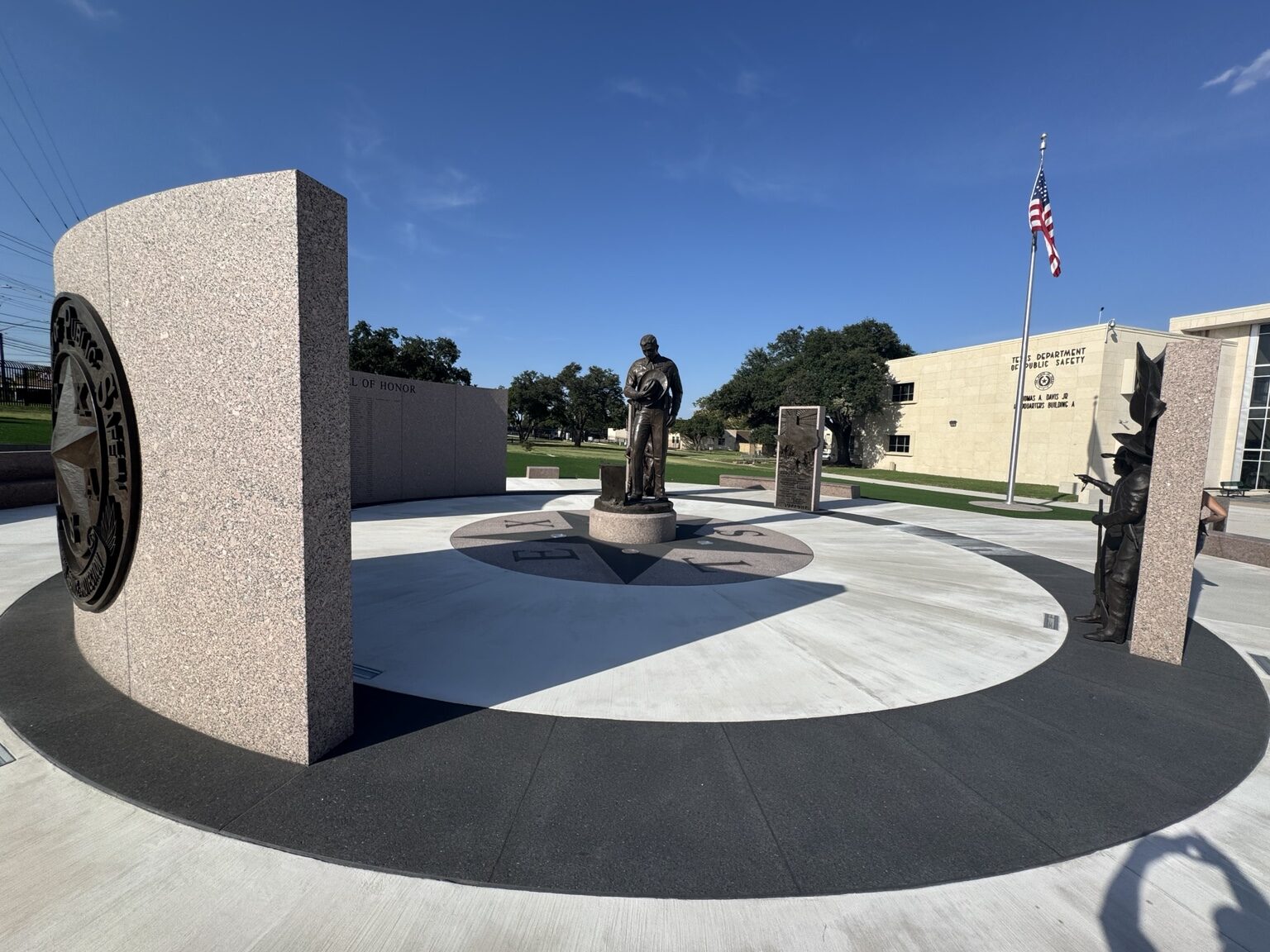
Traditionally, sculptors transferred points using calipers, pointing machines, grids, and proportional systems. A pantograph could trace one scale and reproduce another. Scanning, CNC, and printing changed the transfer, but not the artistic problem.
Scale changes what the eye reads
A small fold can disappear in reduction. Subtle texture can become noise when enlarged. Thicknesses that worked in clay may fail structurally outdoors. Features viewed from twenty feet need different emphasis than features held in the hand.
Digital scaling also scales defects. Scan noise, soft detail, asymmetry, and thin walls become larger problems. Segmenting introduces seams, registration, internal structure, and assembly planning.
Transfer, then sculpt again
Verify dimensions, base relationship, sightlines, shipping limits, foundry constraints, and installation loads before committing. Keep control measurements through every stage.
Treat the new scale as another sculptural pass. The transfer gets the form to a new size; the artist makes it belong there.