
Making toy wax
A useful modeling wax balances hardness, toughness, carving, warmth, surface finish, and safe handling.
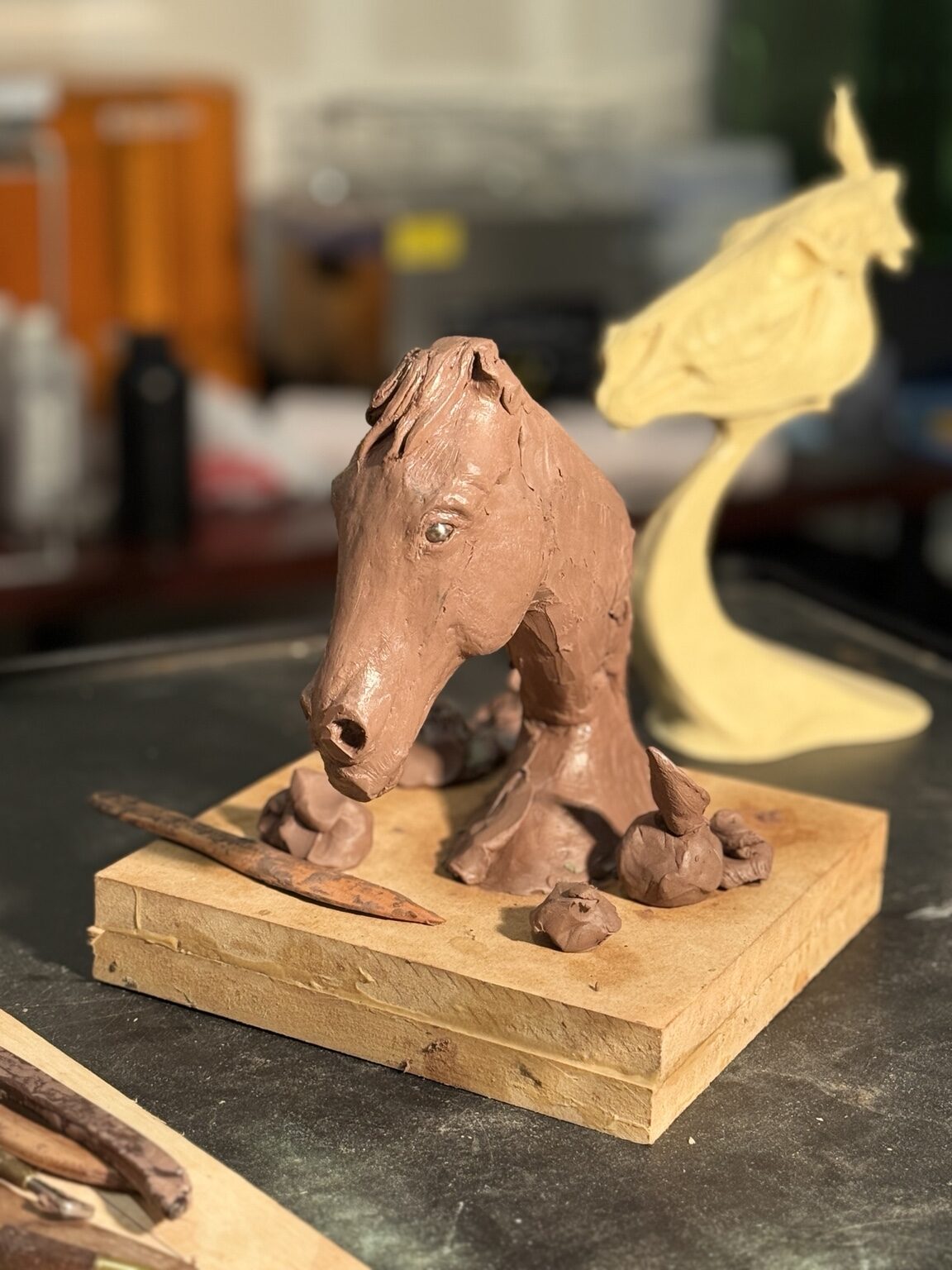
Toy wax and modeling wax are blends, not one fixed recipe. Waxes provide melt and working behavior; oils or plasticizers adjust flexibility; resins and fillers add toughness, body, or a cleaner carve.
Define the job first
Child-safe reusable wax, hard carving wax, and foundry pattern wax should not share requirements. Decide whether it must soften in the hand, hold thin detail, take tools without crumbling, reproduce in silicone, or burn out cleanly.
Small ingredient changes alter melt range, tack, brittleness, shrinkage, and surface. Test small labeled batches. Record weights, temperatures, order, cooling, and behavior at room and hand temperature.
Do not invent chemistry casually
Use ingredients with safety documentation and verify pigments, fillers, fragrances, and additives for the intended user. Natural is not automatically safe when heated or handled repeatedly.
Melt wax with controlled indirect heat, never open flame. Prevent water contact, ventilate, keep a suitable extinguisher nearby, and do not use food equipment.